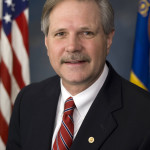
WASHINGTON – Senator John Hoeven (R-ND) spoke at the Senate Agriculture Committee hearing this week to advocate for a multi-front “bridge” strategy to support U.S. producers facing a tightening credit crunch and volatile markets. Introducing North Dakota Farmers Union President Matt Perdue as a key witness, Hoeven outlined a roadmap to provide immediate financial relief while long-term reforms from recent legislation take hold.
Strengthening the Safety Net
The Senator’s primary focus is the enhancement of the $12 billion Farmer Bridge Assistance (FBA) program. Working alongside Committee Chairman John Boozman (R-AR), Hoeven is pushing to expand the program’s scope to ensure it covers a more significant portion of actual producer losses.
Key proposed changes to the FBA include:
-
Prevented Planting Coverage: Making acres that could not be planted due to weather eligible for assistance.
-
Expanded Commodity Support: Increasing relief specifically for specialty crops and sugar producers, who are vital to the Red River Valley economy.
-
Liquidity Boosts: Raising the limits on farm ownership and operating loans to help producers navigate high interest rates.
“We secured critical improvements to crop insurance affordability and ARC and PLC reference prices in the One Big Beautiful Bill, but those provisions don’t fully kick in until October,” Hoeven said. “We’re working to provide additional assistance to get our farmers through this stretch.”
Driving Demand and Lowering Costs
Beyond direct subsidies, Hoeven emphasized a “demand-side” approach to agricultural stability. He called for the immediate passage of legislation to allow the year-round, nationwide sale of E15, a move intended to provide a permanent boost to corn markets.
Hoeven also highlighted the success of value-added projects in North Dakota, such as recent soybean crushing facilities, as a blueprint for domestic growth. On the international stage, he expressed a commitment to working with the Trump administration—specifically U.S. Trade Representative Jamieson Greer and Treasury Secretary Scott Bessent—to negotiate more favorable trade terms and boost export sales.
Energy as an Ag Input
A cornerstone of Hoeven’s testimony was his “Crack the Code 2.0” initiative. By pushing for increased domestic energy production, the Senator aims to lower the “big three” costs for farmers: fuel, fertilizer, and electricity.
“North Dakota’s producers have tremendous insights to share,” Hoeven concluded, thanking Matt Perdue for his advocacy. “His voice is particularly important as our farmers and ranchers face this difficult time.”